
High diesel, oil and maintenance costs can be reduced with a smart investment. TEHMIN-BRAŞOV has developed several technical solutions that radically change the performance of old locomotives for the better. TEHMIN-BRAŞOV has exclusive intellectual property rights over these technical innovations.

The degraded infrastructure that requires the circulation of trains at low speeds and the expensive maintenance of rolling stock are nowadays the major problems in the development of the rail transport process, due to the high costs involved.
An investment of under one hundred thousand euros transforms a diesel-electric locomotive, over 50 years old, into a locomotive comparable to modern ones, perfectly adapted to the current traffic conditions in Romania.
The technical solutions developed by the company TEHMIN-BRAȘOV are:
- installation for reducing the idling time of the diesel traction engine – the third energy source;
- installation for increasing the efficiency of the diesel traction engine;
- economical ventilation of electric traction motors;
- locomotive diagnosis, parameter recording and data transmission to the ground.
If in the first article we wrote about "Installation for reducing the idling time of the diesel traction engine - the third energy source", today we will present "Installation for increasing the efficiency of the diesel traction engine of the locomotive".
The cost of the entire package of technical solutions, including installation, is within one hundred thousand euros, and the investment is recovered in 12-22 months, say Brașov specialists.

The DR130 – Liudmila class locomotives are candidates for modernization. Photo source Wikimedia
Disadvantages of the current hydrostatic installation
To keep the temperature of the cooling circuit under control, Diesel engines rely on a hydrostatic system that includes, among other things, a pump, a hydrostatic motor and a regulator, respectively two hydraulic cylinders for closing and opening the external blinds.
The hydrostatic pump operates continuously, regardless of the thermal regime of the diesel engine, and the hydrostatic regulator operates with large deviations from the optimal values of the coolant temperature, 60 degrees Celsius. Due to the “chimney” effect of the cooling tank, the radiators evacuate a large part of the heat when the temperature is below the minimum optimal value and when keeping the engine warm. This results in high costs as a result of additional fuel consumption, when the diesel engine operates below the minimum optimal temperature, but also for keeping the engine warm, respectively for the idling operation of the hydrostatic system.

TEHMIN-BRAȘOV SRL – solutions for improving the quality of passenger transport applied to rolling stock
High costs also come from the maintenance of the hydrostatic installation, i.e.: oil, spare parts and maintenance. The harmful effects of overconsumption of diesel below the optimum temperature are both excessive environmental pollution and the production of a large amount of carbon deposits that increase the wear rate of the diesel engine, cause infestation of the lubricating oil and degradation of the fine oil filter. The hydrostatic installation is a highly energy-consuming auxiliary service with great harmful effects on fuel consumption.
The solution proposed by TEHMIN
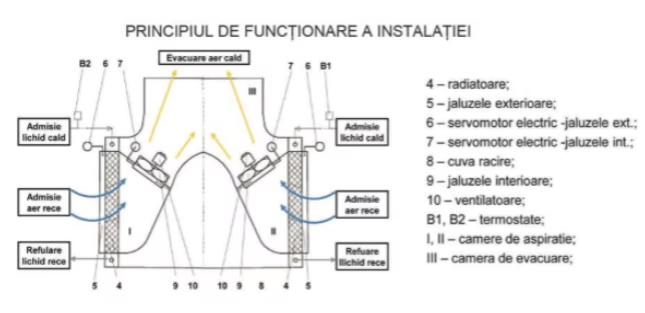
To eliminate these disadvantages, TEHMIN engineers have designed a system in which the hydrostatic installation is replaced by four electric fans, two on each radiator branch, equipped with internal blinds. The external and internal blinds are operated by servomotors that close or open depending on the temperature of the coolant and are controlled by temperature sensors from a central controller.

The new system reduces the nominal power from about 30kW (the hydrostatic system) to 9kW (the new electric ventilation system). The reduction in nominal power by about three times was possible by moving the electric fans closer to the radiator group and dividing the radiator tank into three distinct chambers (two suction and one discharge) using internal blinds.
The two radiator branches are closed in their chambers by the inner and outer shutters when the coolant temperature is lower than the optimum (60°C) or are opened when it is exceeded.
The new system reduces heat loss from radiators when the temperature is below the optimum value, ensures the operation of the diesel engine at the optimum temperature, eliminates the additional energy consumption of the diesel engine for driving the hydrostatic pump and keeping it warm, reduces the polluting effect of the diesel engine exhaust gases and hydrostatic oil. The energy consumed by ventilation is proportional to the temperature of the coolant and has an average annual value of about 2kWh; down from 12 kWh.
At the same time, the cooling radiators are no longer clogged due to oil losses from the hydrostatic cylinders and dust deposits, and the highly reliable electric motors do not require maintenance labor and consumables. This results in a significant reduction in maintenance labor and eliminates oil consumption. The reliability of the radiators is significantly increased due to the reduction of vibrations of the ventilation system, which is very well balanced.

"The locomotives operate for about 3,500 hours per year, so 10 tons of diesel fuel are saved just from reducing energy consumption. However, the great diesel fuel savings come primarily from the fact that the installation ensures high-efficiency diesel engine operation conditions due to the improved thermal operating regime and strict control through the automation system. The data recorded from locomotives equipped with this installation shows that only about 50% of the diesel engine's operating time is operated. The installation solves two problems: it replaces an energy-hungry auxiliary service of about 30kW and at the same time increases the diesel engine's operating efficiency," explains engineer Mihai Marcu from TEHMIN.
He hopes that the TEHMIN solution will be implemented by as many companies in the railway field as possible, especially since such projects have a chance of receiving European funding for environmental protection.
Conclusion: Idling and operating the diesel engine at temperatures below the optimum value (60°C) are the two major causes that lead to high fuel costs, maintenance and environmental pollution. The two solutions presented largely reduce the effect produced by these two causes. (DC)
How can 10 tons of diesel be saved annually for each locomotive?